Surf guide / Equipment

How to choose the right surf wetsuit for Portugal

Your wetsuit decides how long you can stay in the water. Getting the thickness and fit right does more for your session than many surfboards.

Surf guide / Equipment

Portuguese water is cold

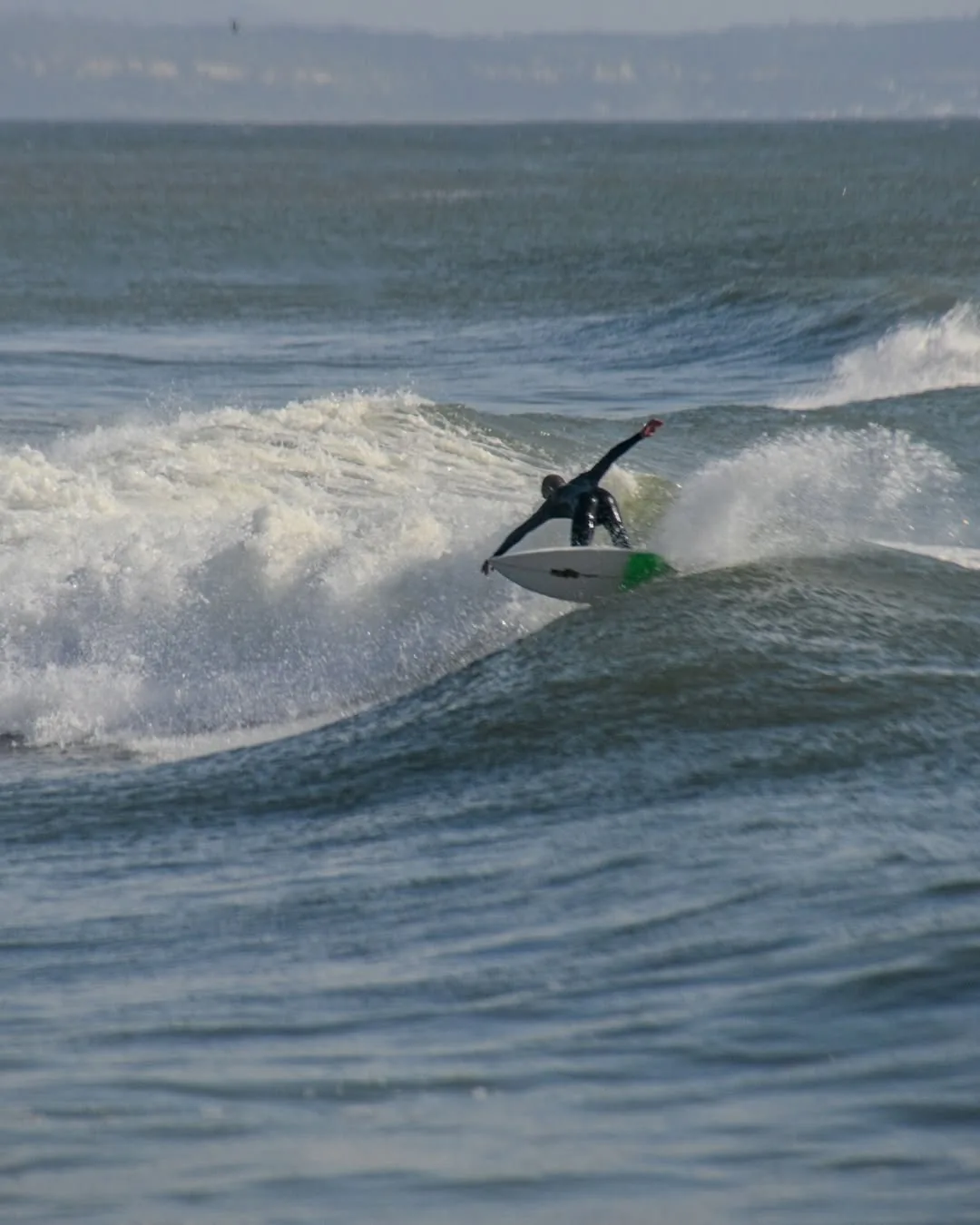
Visitors from warmer countries are often surprised: even in summer, the water on Portugal's Atlantic coast can be fresh, especially when the northerly wind blows and cold water rises to the surface. I see surfers shivering on the sand after a session in the wrong suit, and then they spend less time in the water.

As a rule, water temperature on the west coast runs roughly between fourteen and twenty degrees over the year, colder in winter and spring and milder in late summer and autumn. The Algarve is usually a little warmer. These are reference values: always check the day's forecast.
Thicknesses: 3/2, 4/3 and 5/4

Thickness is measured in millimetres, with two numbers: the first is the torso, the second the arms and legs. A 3/2 usually works from late spring to early autumn. A 4/3 is the most common winter suit and also suits the in-between seasons. A 5/4, almost always with a hood, is for the coldest water in midwinter.

There are also thinner suits, around 2 mm, for warm-water days. If you feel the cold, or you spend a long time sitting waiting for waves, go up a thickness from what the charts suggest.

Getting the fit right

A surf wetsuit should fit snugly, like a second skin, with no air pockets on the back, under the arms or at the knees, because that is where water gets in and cools you down. But it must not be so tight that it limits your paddling or your chest. If possible, try it on and mimic a paddling stroke with your arms stretched out.

Sizes vary between makers, and men's and women's models are cut differently. Follow the manufacturer's size chart, but trust what you feel when you put it on.

Zips, boots, hood and gloves

A back zip is the most common and easiest to put on; a chest zip usually lets in less water and feels warmer, but it takes more effort to get into. In winter, boots and a hood make a huge difference: feet and head are where the cold bites hardest. Gloves are for very cold days only.

Boots also protect against rocks and sea urchins at some spots. Try them on with the suit so they do not pinch at the ankle.

Looking after it so it lasts

Rinse the suit in fresh water after every session and dry it inside out, in the shade, away from direct sun. Hang it folded over a hanger at the waist, not by the shoulders, which stretch. Avoid leaving it in a hot car, and do not machine-wash it or use strong detergents.

Small tears are best repaired early with glue made for neoprene, before they grow.

And after the session, the photos

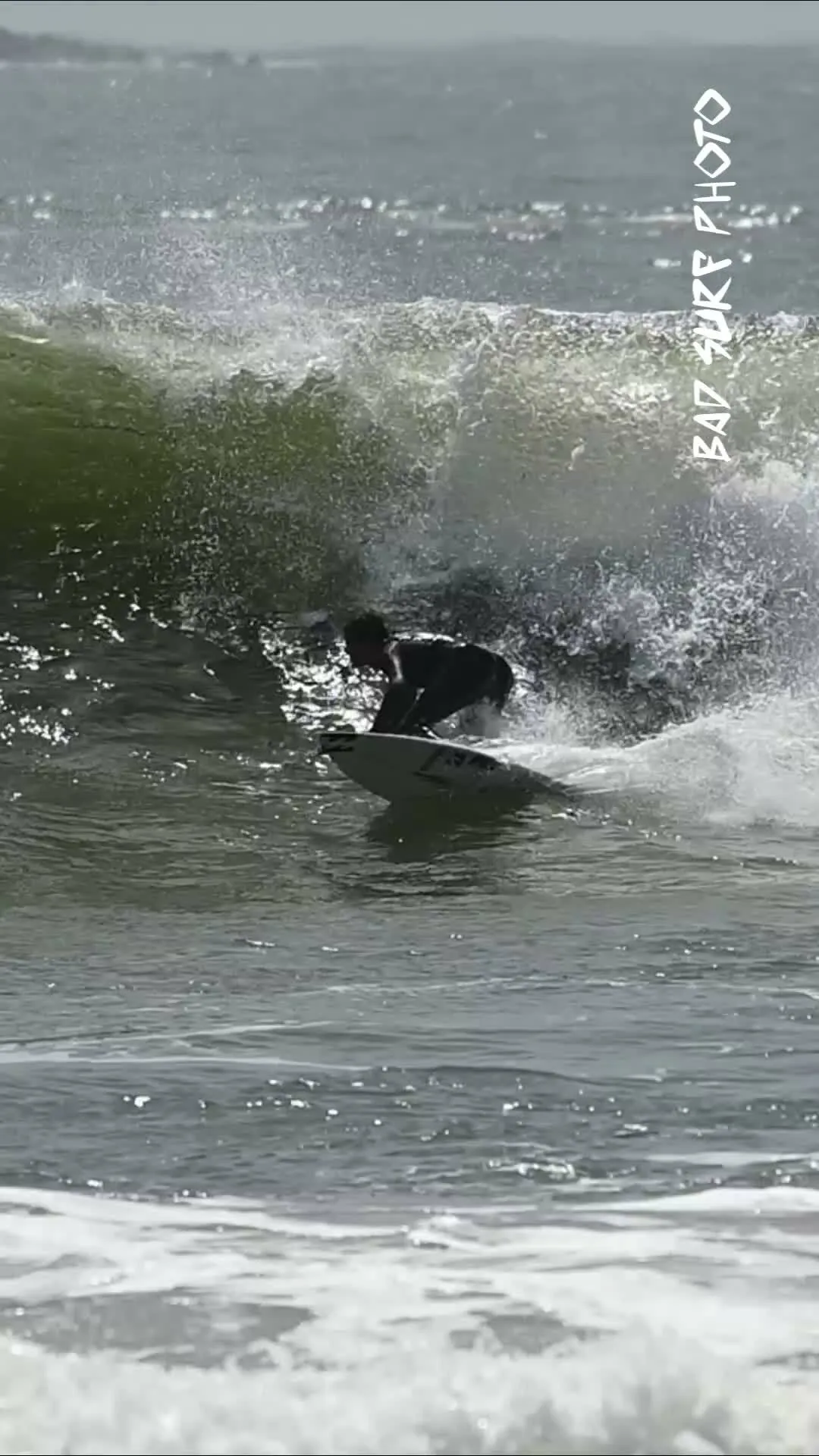
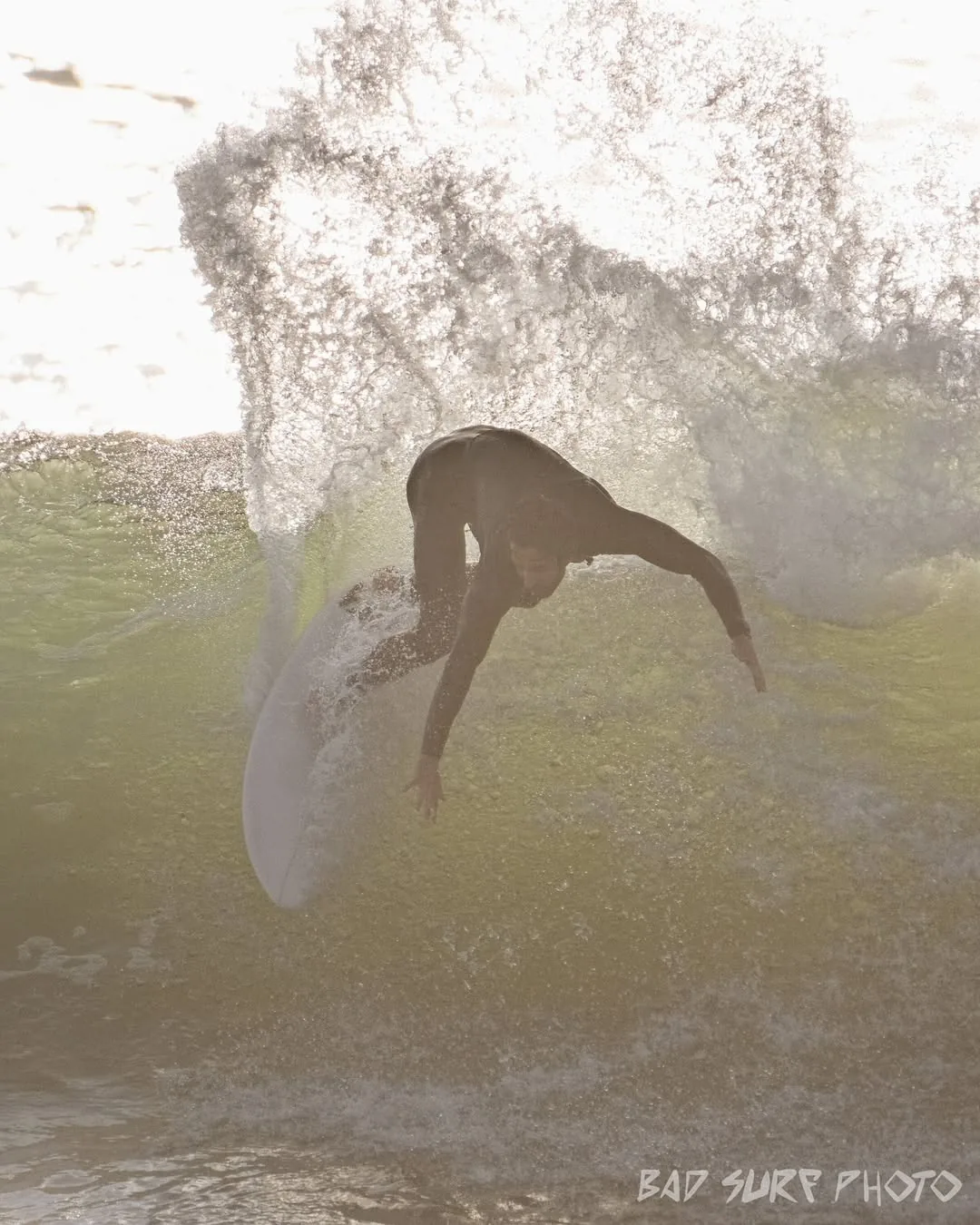
BAD SURF PHOTO does surf photography and video and does not sell or rent wetsuits. But your wetsuit shows up in the photos: the fit, the freedom of movement, even how you stretch your arms when you paddle. A photo or video session helps you see whether your suit is holding you back. Photo €40 per hour, video €50 per hour, plus VAT, editing included, delivery in 48 hours, booking on WhatsApp.

Who it is for

How to choose the right surf wetsuit for Portugal

3/2 for the mild months

Usually works from late spring to early autumn along most of the coast.

4/3 and 5/4 for winter

More thickness, and almost always boots and a hood, for the coldest water.

Snug, with no pockets

The right suit fits like a second skin and does not restrict your paddling.

FAQ

Quick questions.

Which wetsuit should I wear in summer in Portugal?

As a rule, a 3/2 works well. If you feel the cold, or the water is chilly because of northerly winds, it may be worth going thicker.

Do I need boots and a hood?

In winter, almost always. Feet and head lose heat quickly, and boots also protect against rocks.

How do I stop my wetsuit smelling?

Rinse it in fresh water, dry it inside out in the shade and never leave it shut in a damp bag or a hot car.

Book photo