Surf guide / Equipment

How to choose your surfboard

The right board depends on your level, your weight and the waves you will actually ride, not on what is fashionable. This guide covers the main board types and how to think about volume and size.

Surf guide / Equipment

Start with your level, not the shape

I spend a lot of days on the beach with a camera, and I keep seeing the same thing: surfers on a board that suits their level catch more waves, fall less and walk out of the water smiling. Those who choose by looks, or because a good surfer friend rides that model, spend the whole session fighting the equipment.

Before you look at models, answer three questions: how long have you been surfing, how much do you weigh, and what kind of waves are near you. Portugal's coast ranges from small, soft waves to fast, hollow beach breaks, and the ideal board can change quite a lot from one day to the next.
The main types of surfboard

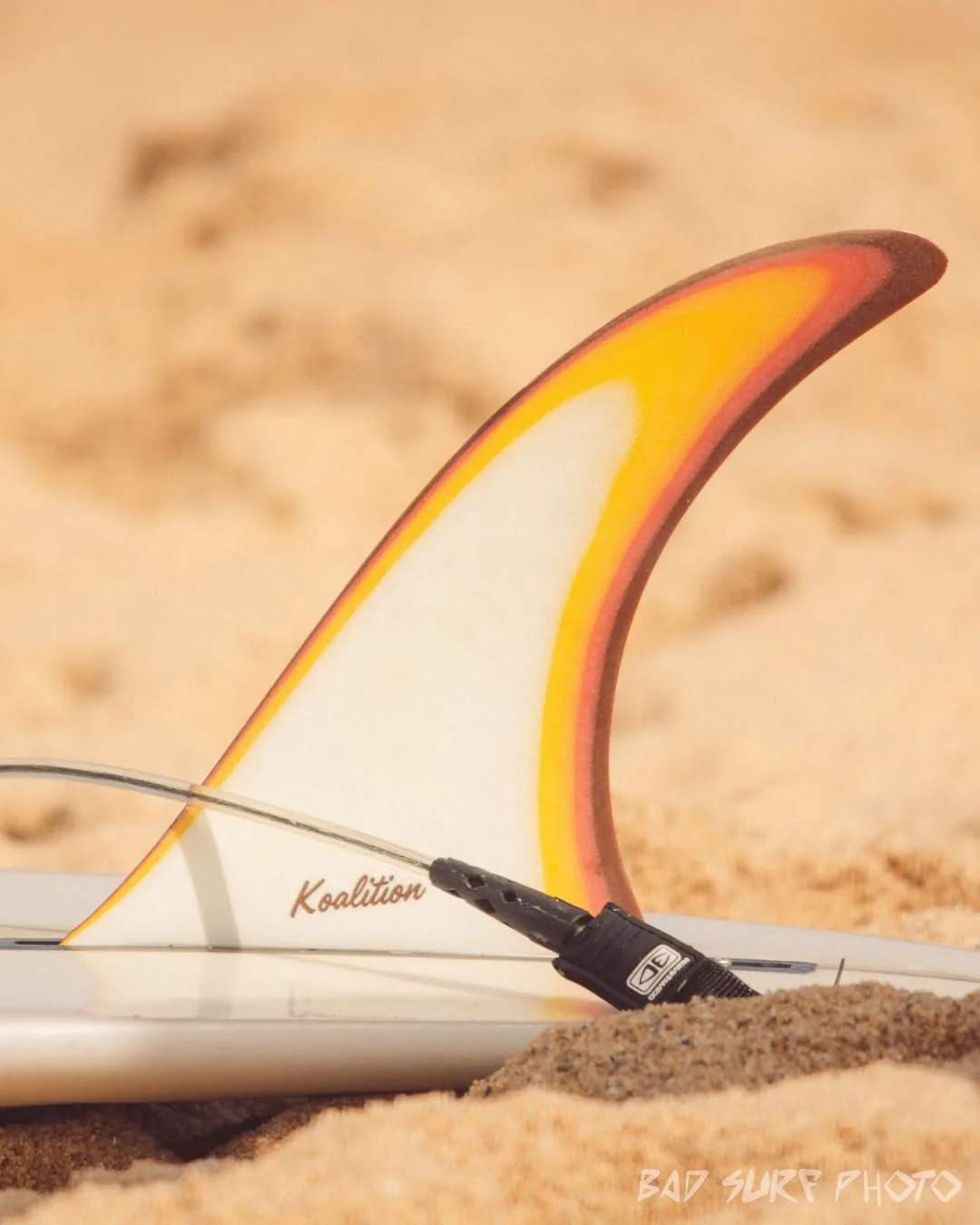
A soft-top, with its foam deck, is the usual choice for first lessons: it floats a lot, forgives mistakes and hurts less if it hits someone. A funboard, sometimes called a mini-mal, is a middle step: shorter than a longboard but with plenty of volume, good for people who can already stand up and want to progress. A longboard, long and stable, is great for small waves and smooth, flowing surfing.

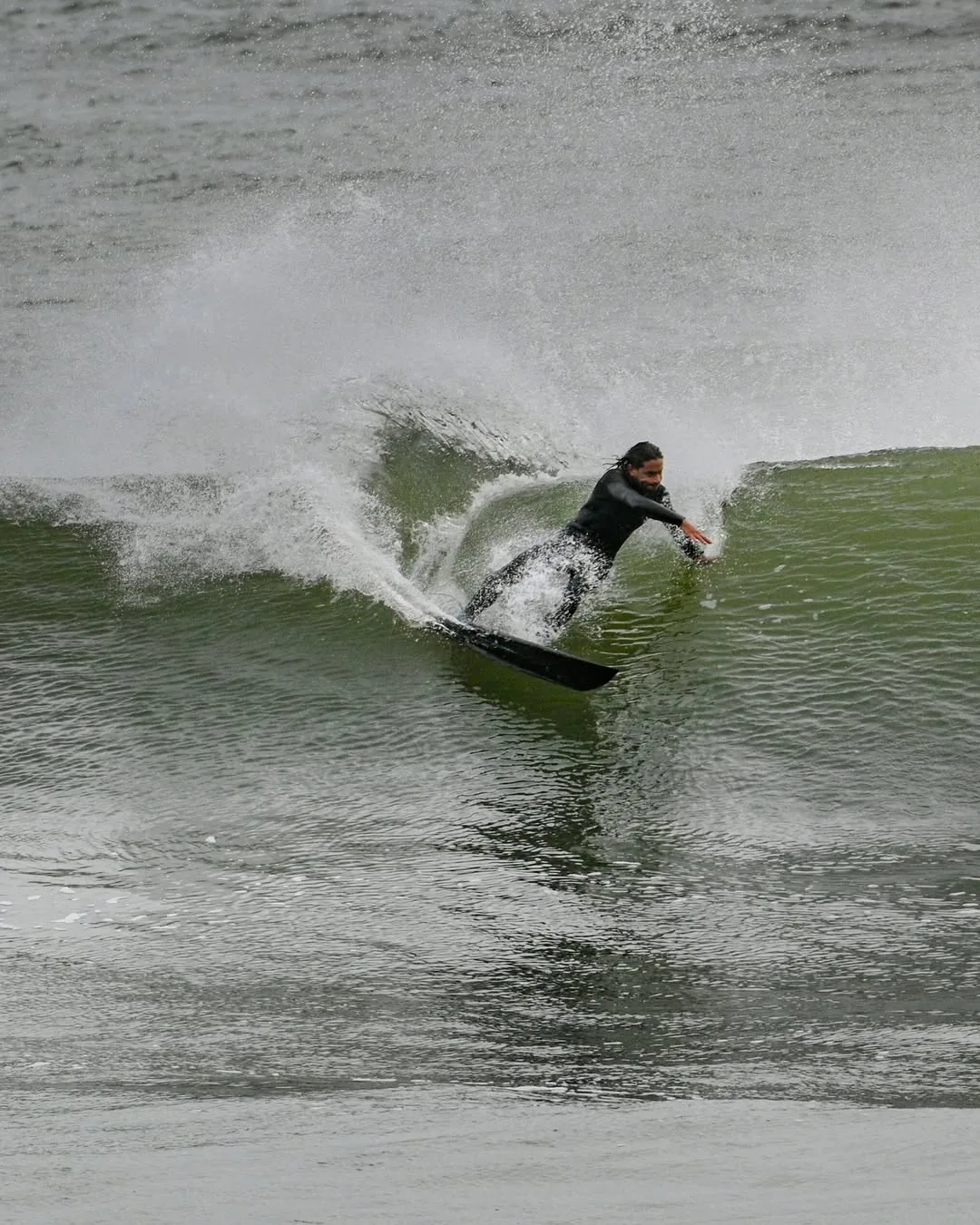
A fish is shorter and wider with a split tail, and usually works well in small to medium waves, with more speed than its size suggests. A shortboard is the performance board: light and responsive, but it demands good paddling and timing. For most people it is a destination, not a starting point.

Volume and size: how to think about it

Volume, measured in litres, is what keeps you afloat and lets you paddle. As a rule, the less experience and the more weight you have, the more volume you need. Many shapers publish volume calculators based on weight and level; use them as a guide rather than a fixed rule, and ask someone who has watched you surf for an opinion.

Length goes with volume, but width and thickness matter too. A wider, thicker board paddles better; a thinner, narrower one turns better but asks more of you. If you are torn between two boards, a beginner will almost always be happier on the bigger one.

New or used board

A new board gives you certainty about its condition and, if custom-made, about the shape. A used one can be a great way to start without spending much, as long as you inspect it carefully. We have a separate guide on buying a used surfboard, with a practical checklist.

Either way, avoid buying for the level you hope to have in a year. Buy for the level you have today: swapping boards later is normal and part of progressing.

Seeing the board in action

BAD SURF PHOTO does surf photography and video. We do not sell or rent boards and we do not teach. But a photographer sees what equipment does in the water: whether the board sinks when you paddle, whether the tail holds the rail, whether your posture changed after switching boards. A photo or video session on your new board shows you that better than any opinion in a shop.

If you like, book on WhatsApp: photo at €40 per hour and video at €50 per hour, plus VAT, with editing included and delivery within 48 hours.

Who it is for

How to choose your surfboard

Soft-top

Lots of volume and safety for first lessons and for anyone just starting out.

Funboard

A stable middle step that lets you progress without jumping to a small board too soon.

Shortboard

Light and responsive; it needs strong paddling and is a destination rather than a starting point.

FAQ

Quick questions.

Which surfboard should a beginner buy?

As a rule, a soft-top or a funboard with plenty of volume. It gives stability, helps you paddle and forgives the typical mistakes of the first sessions.

How much volume do I need?

It depends on your weight, fitness and level. Use a volume calculator as a starting point and check with someone who has seen you surf.

Is a used surfboard worth it?

It can be, especially when starting out, provided you inspect it properly. See our guide to buying a used surfboard.

Book photo