Surf guide / Training

Fitness training for surfing: a simple routine

Surfing is largely paddling. Simple training out of the water improves endurance, mobility and recovery, and helps you avoid injuries.

Surf guide / Training

What surfing asks of your body

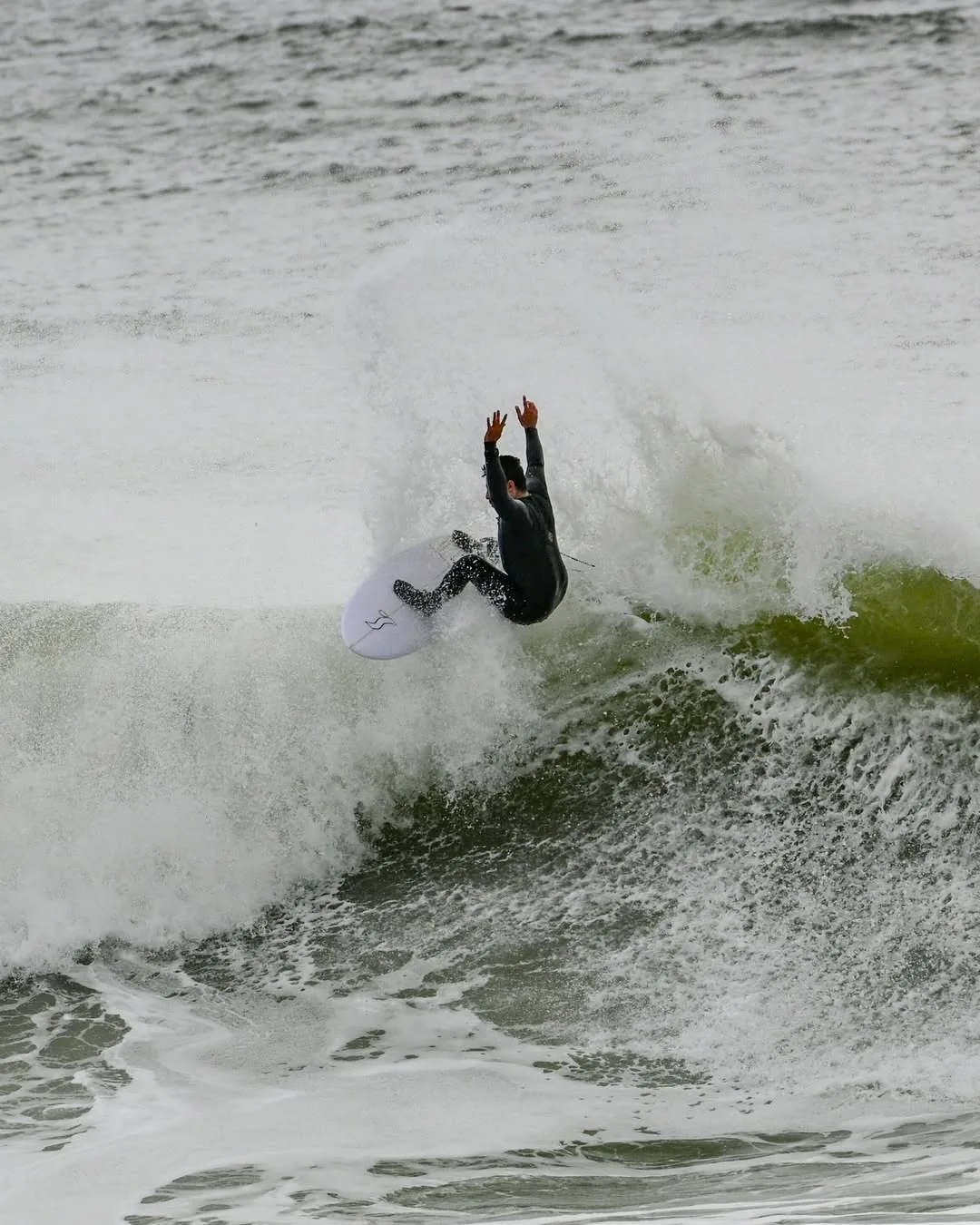
When I photograph a session, I notice that those who last longest in the water are almost always the best paddlers, not the strongest. Paddling needs resilient shoulders, a strong back, a stable core and good breathing. Then, on the wave, the pop-up, balance and hip and spine mobility come into play.

The good news is that you do not need an elaborate gym. With a little time, common sense and consistency you can train at home or in the park. But before you start, read the note at the end of this guide.
Paddling and shoulders

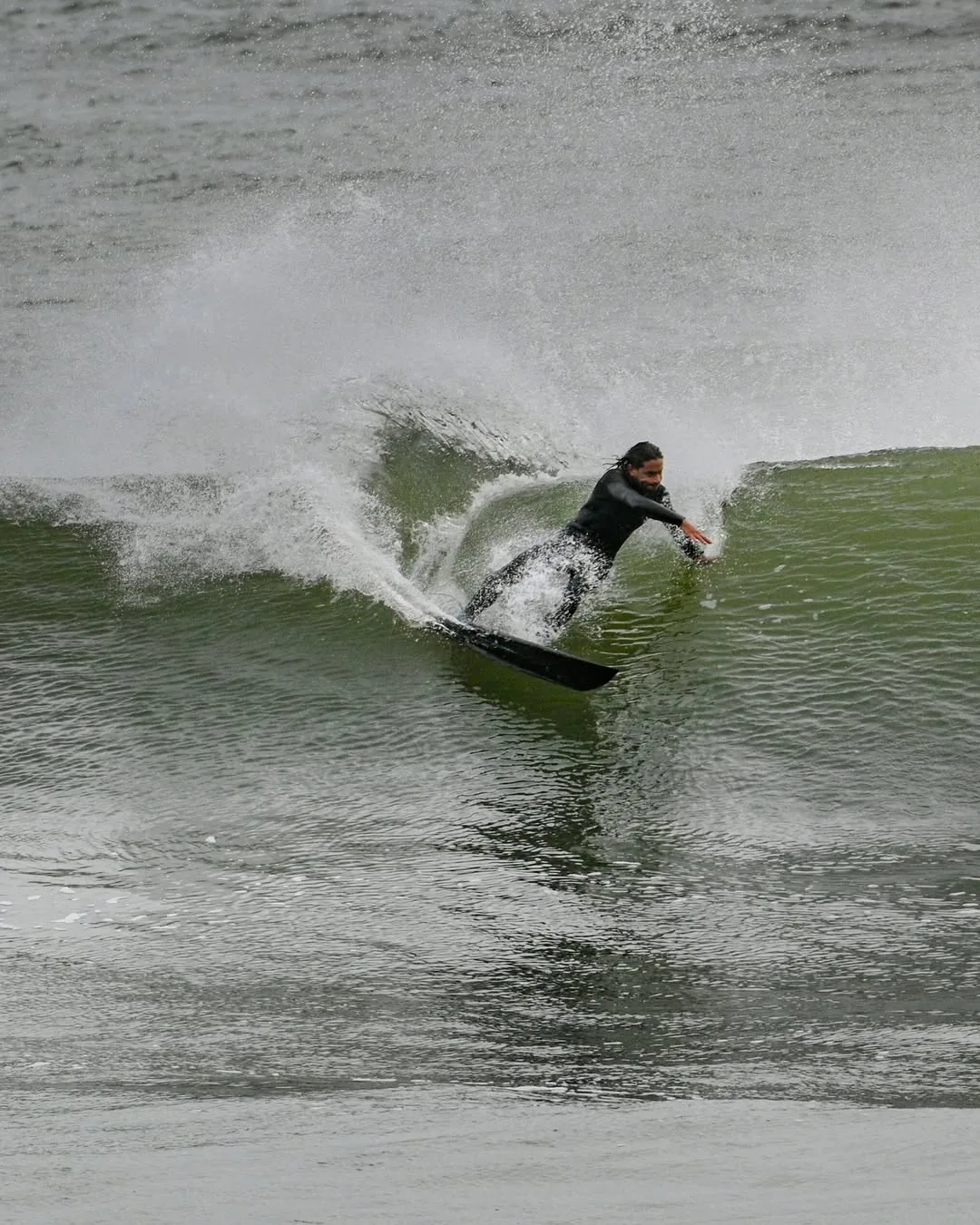
For paddling, work on pulling movements (pull-ups, rows with a band or dumbbells), press-ups and shoulder stability exercises with a resistance band. Train the back of the shoulder and the shoulder blade too, which tend to be weak in people who sit all day. Light loads, many repetitions and good technique beat extra weight.

Pop-up and core

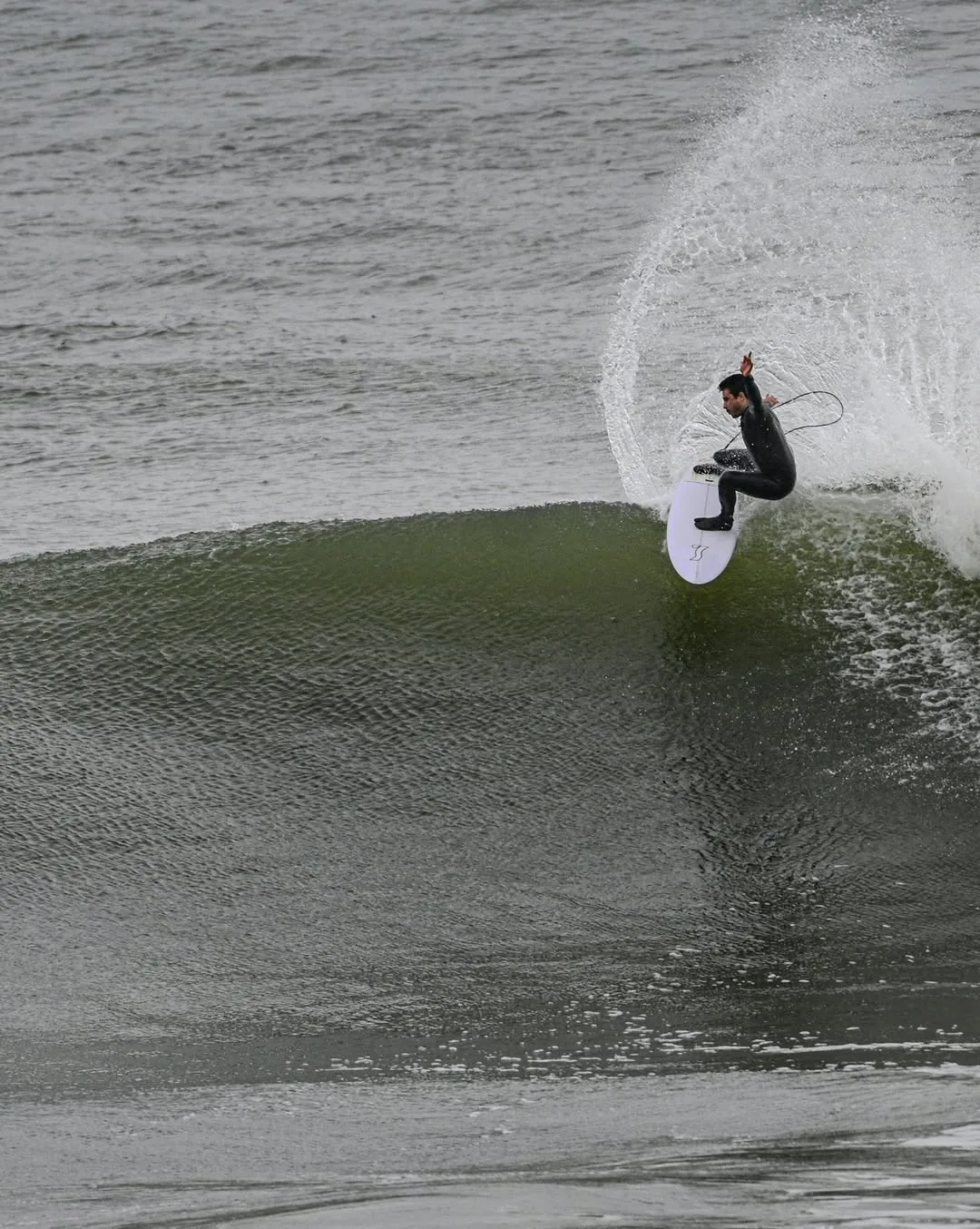
The pop-up is an explosive movement from chest to feet. Practise it on land, slowly and with good form, then faster: chest on the floor, hands by the chest, jump to standing. Add planks, side planks and exercises that make the trunk stabilise, such as the bird-dog.

Mobility and injury prevention

Mobility in the shoulders, upper back, hips and ankles makes a big difference. Dynamic stretching before you enter the water and calmer stretching afterwards help the body recover. The most common injuries in surfers tend to be to the shoulders, lower back and knees: build load up gradually, warm up before getting in and respect pain signals.

Cardio and a simple routine

For endurance, swimming, easy running or cycling work well, two to three times a week. A simple routine might be: two days of strength and stability, two of cardio, one of mobility, and the rest surfing and recovery. Adjust it to your time and level. It is better to train a little regularly than a lot for two weeks and then stop.

Sleep well, drink water and eat a balanced diet. Recovery counts as much as the training.

Seeing your body in action

BAD SURF PHOTO does surf photography and video, not fitness training. But video of your session shows something the gym cannot: where your body loses form when tired, how your paddling fades after an hour. Photo €40 per hour, video €50 per hour, plus VAT, editing included, delivery in 48 hours. Book on WhatsApp.

Who it is for

Fitness training for surfing: a simple routine

Paddling first

Resilient shoulders, back and core let you stay in the water longer.

Pop-up with technique

Practise the movement slowly on land before doing it fast.

Mobility and rest

Mobile hips, spine and shoulders, and good recovery, prevent injuries.

FAQ

Quick questions.

How often should I train for surfing?

For most people, two to four sessions a week alongside surfing is enough. Consistency and recovery matter most.

Do I need a gym?

Not necessarily. Many exercises can be done at home with bands, bodyweight and a small space.

I have a shoulder injury; can I train?

See a doctor or physiotherapist first. This guide is general and does not replace advice from a health professional.

Book photo